
1. Introduction
In fiber optic communication systems, wavelength management is critical. Whether you are building an Erbium-Doped Fiber Amplifier (EDFA), designing a fiber optic sensing network, or deploying a Wavelength Division Multiplexing (WDM) transmission system, reliable components are essential for combining or separating different wavelengths.
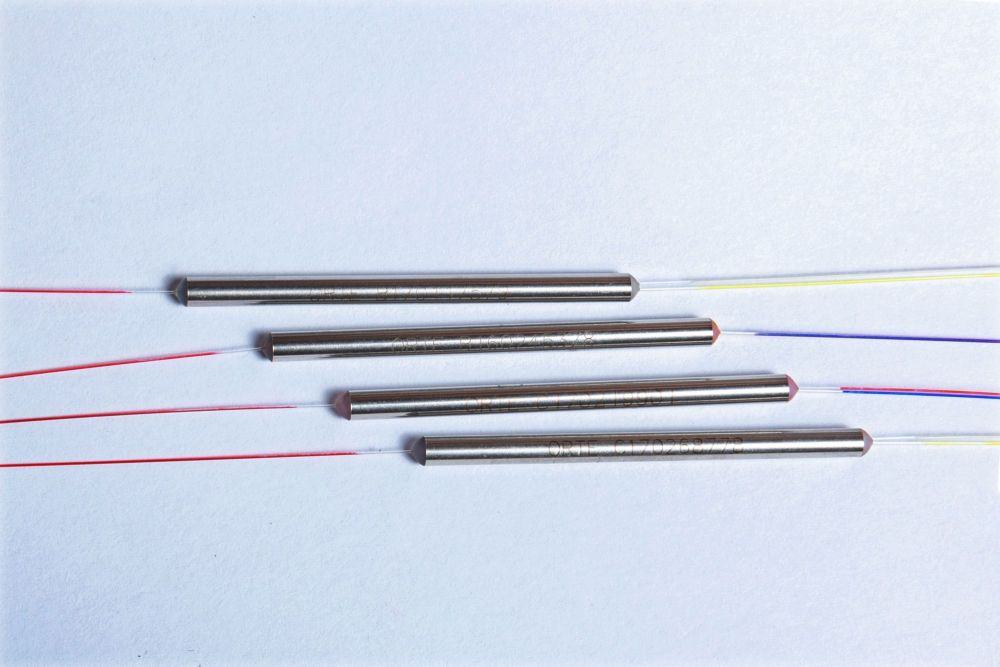
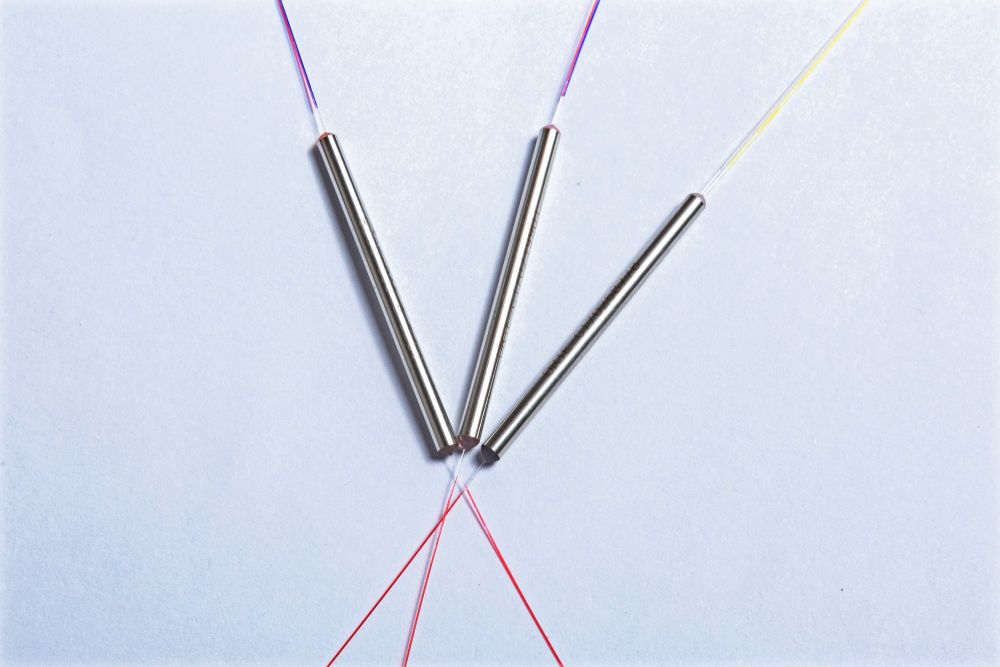
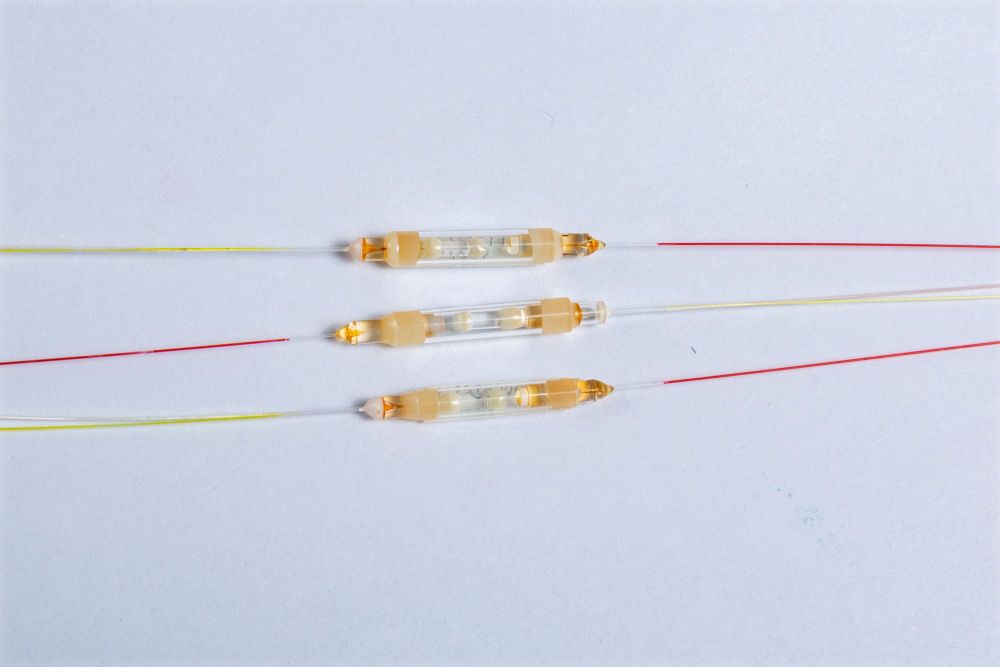
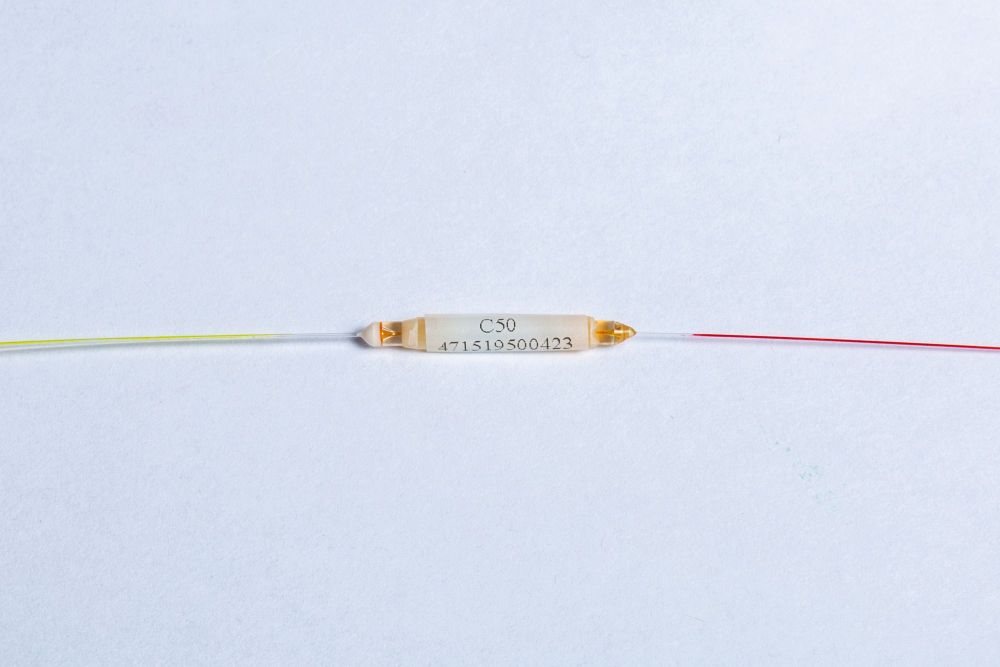
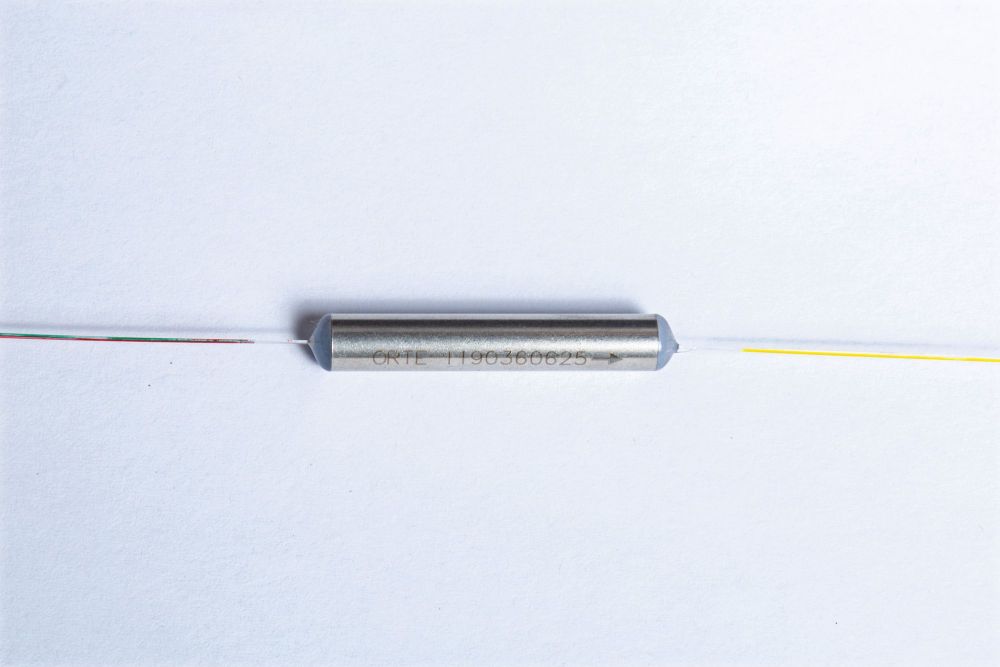
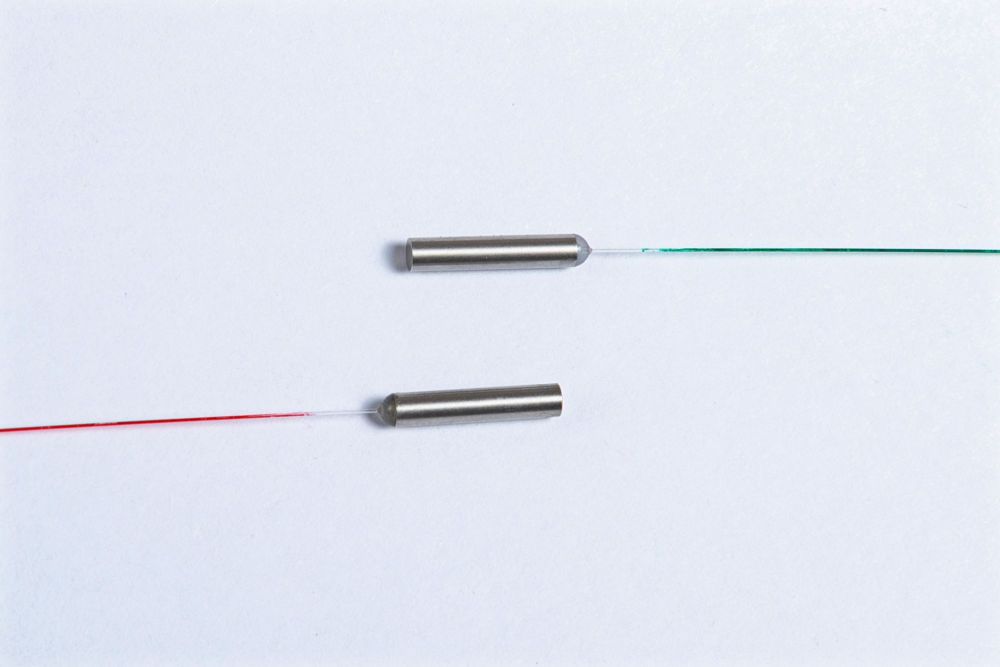
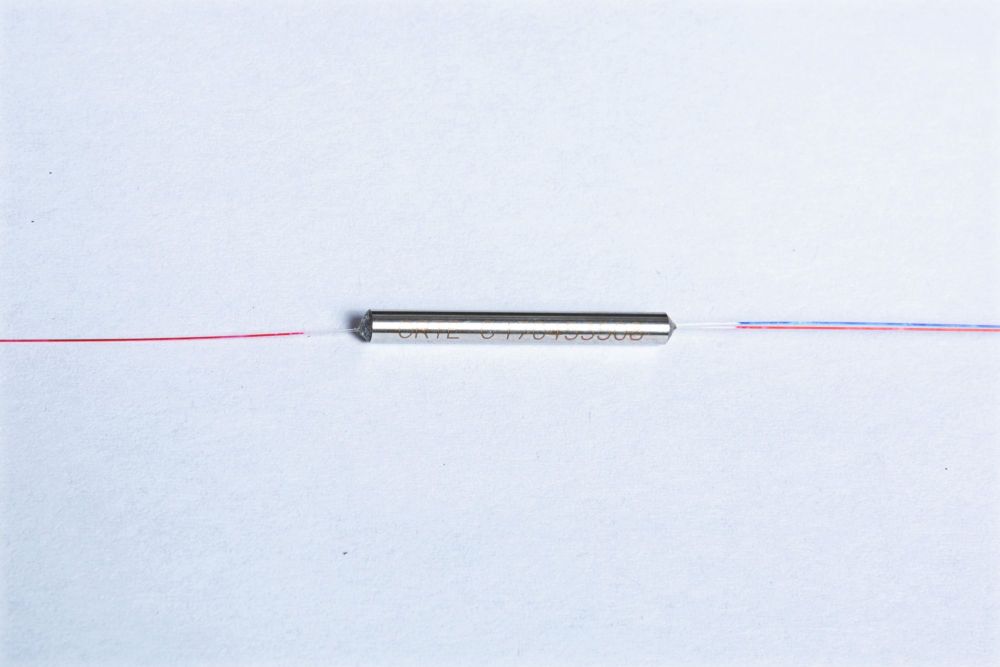
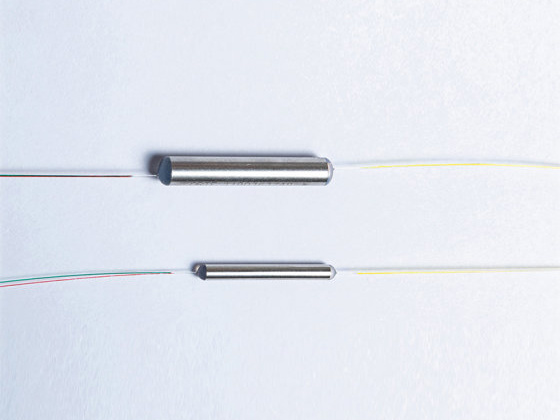
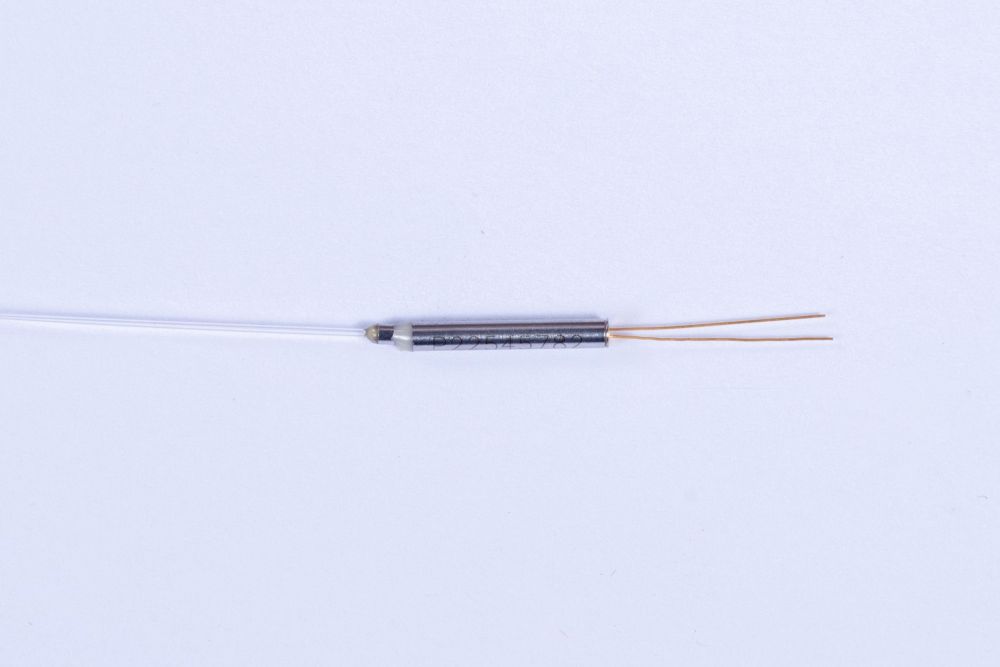
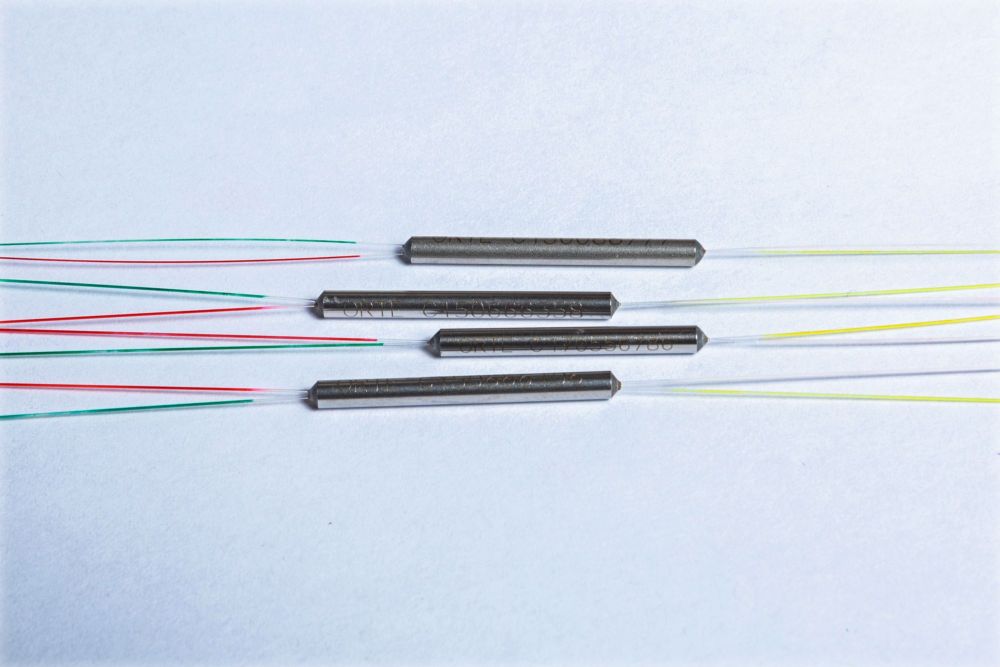
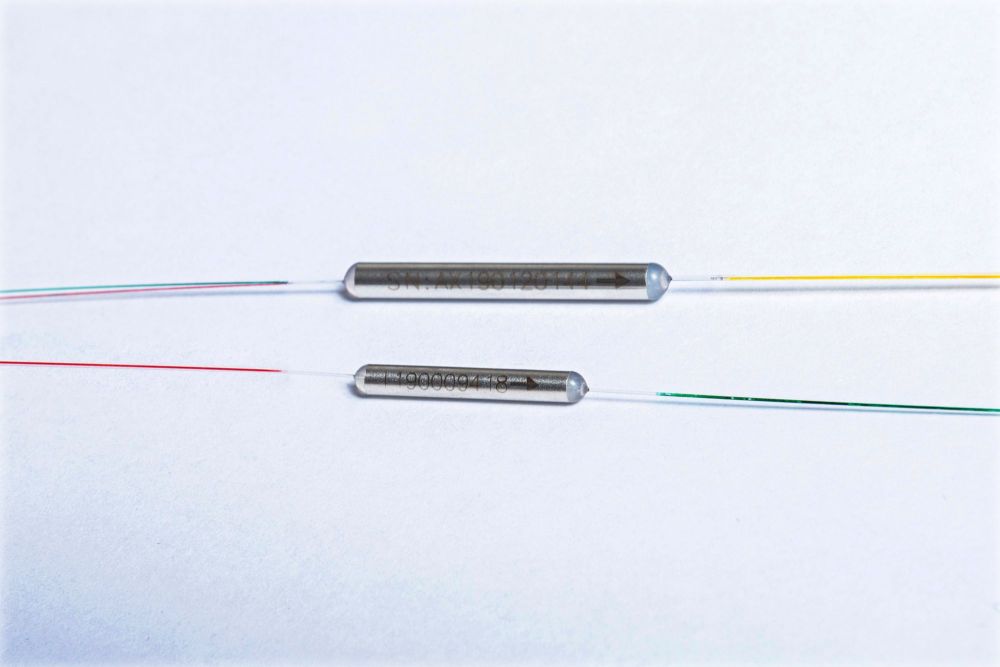
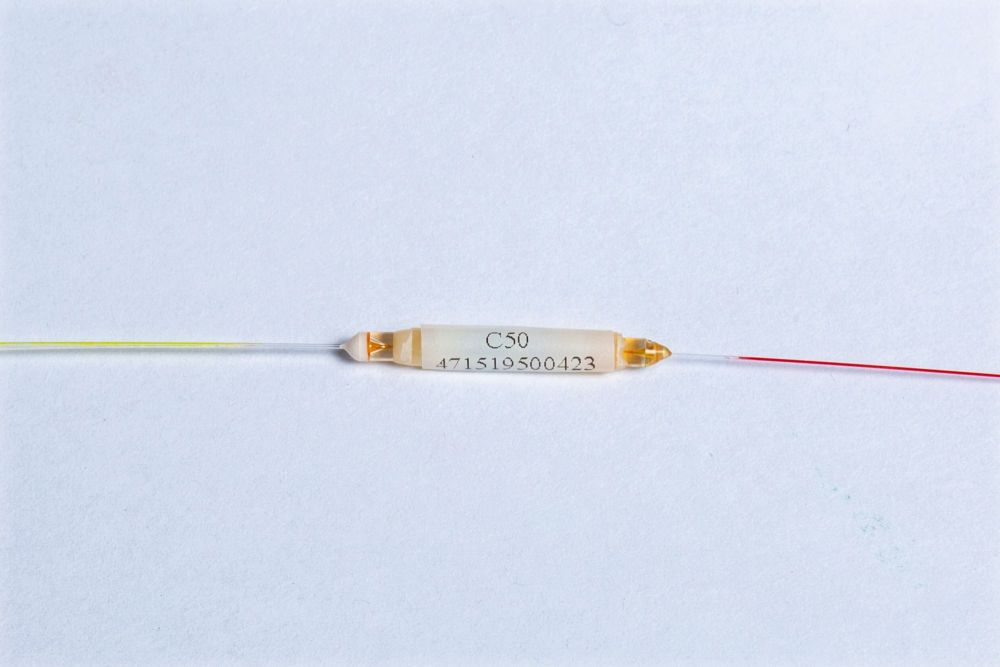
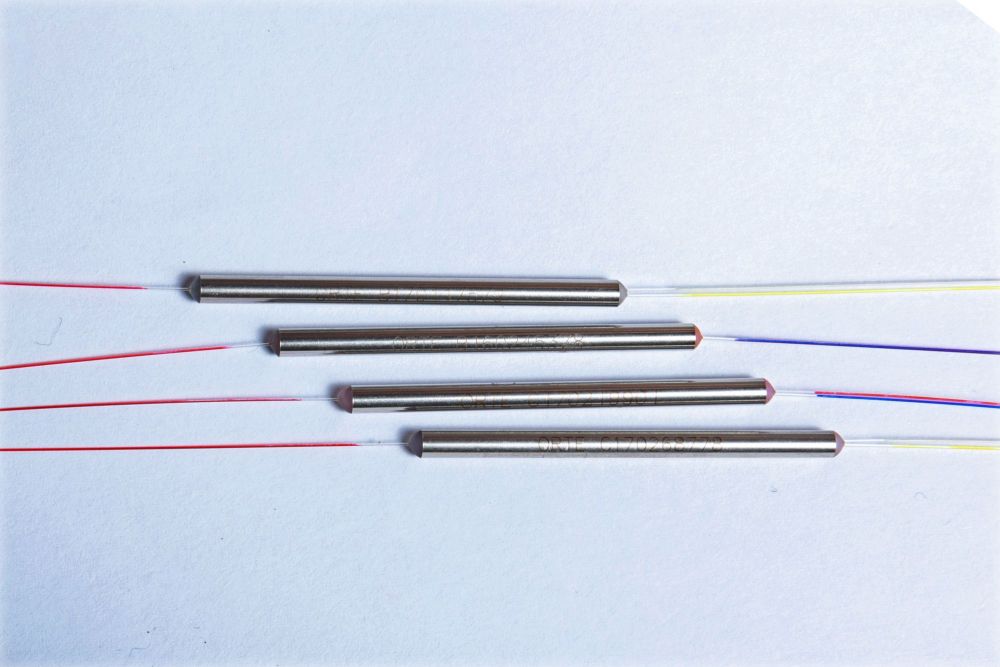
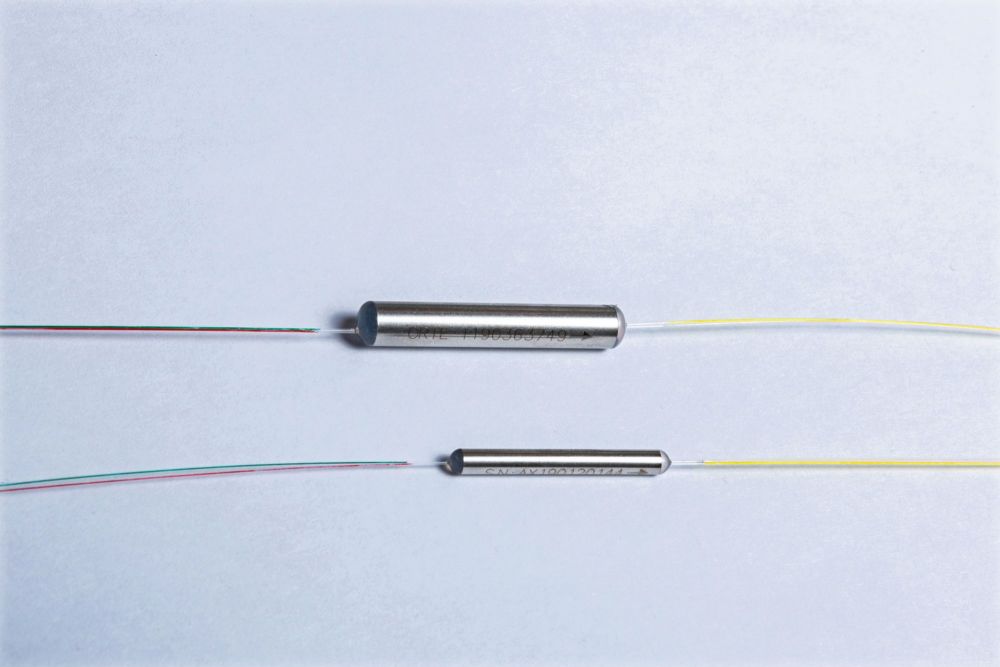
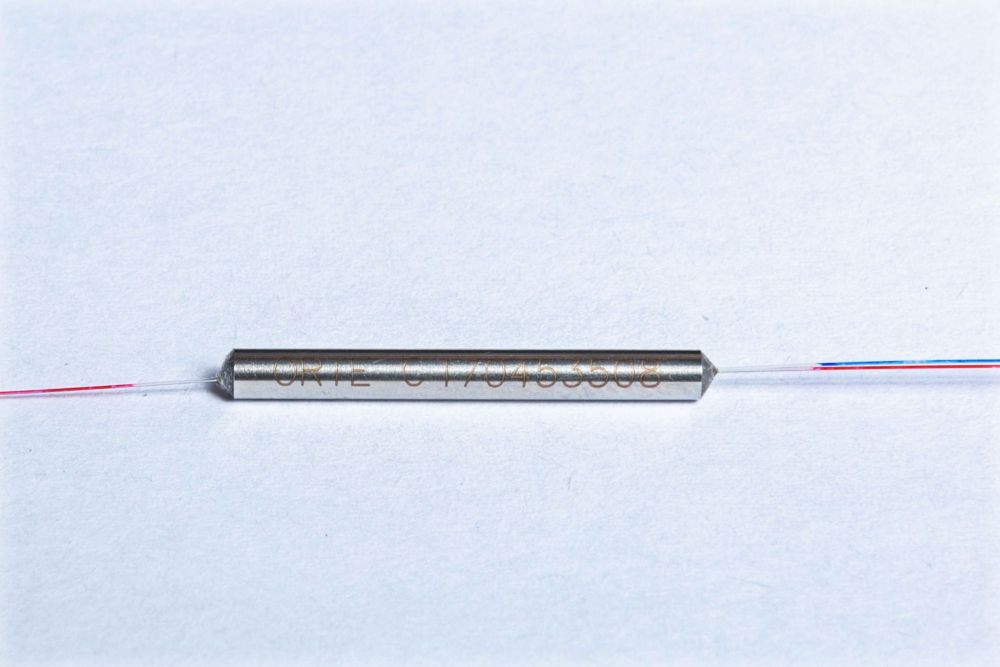
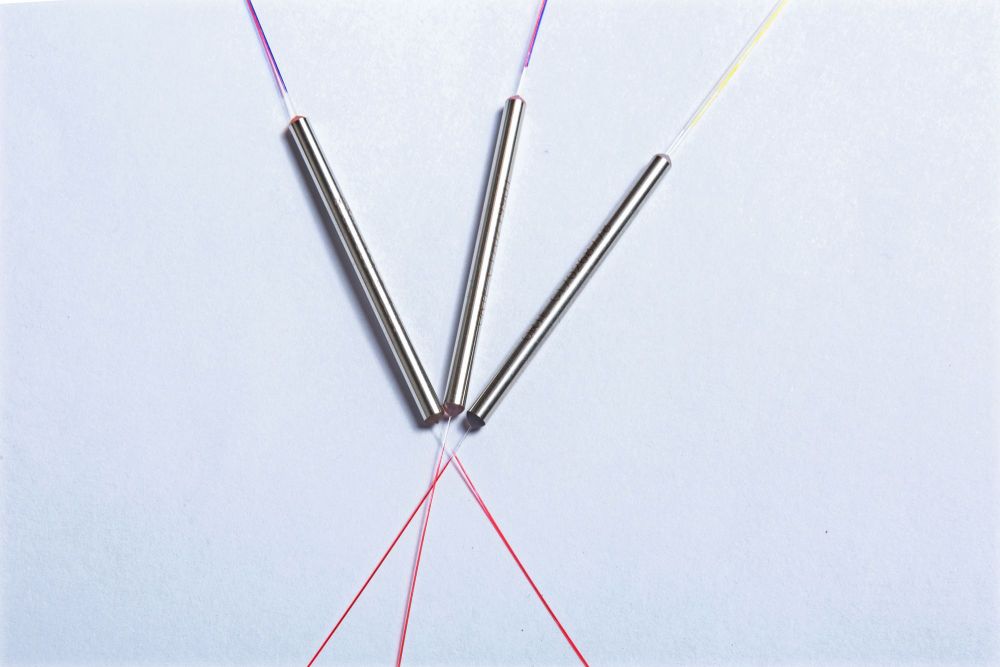
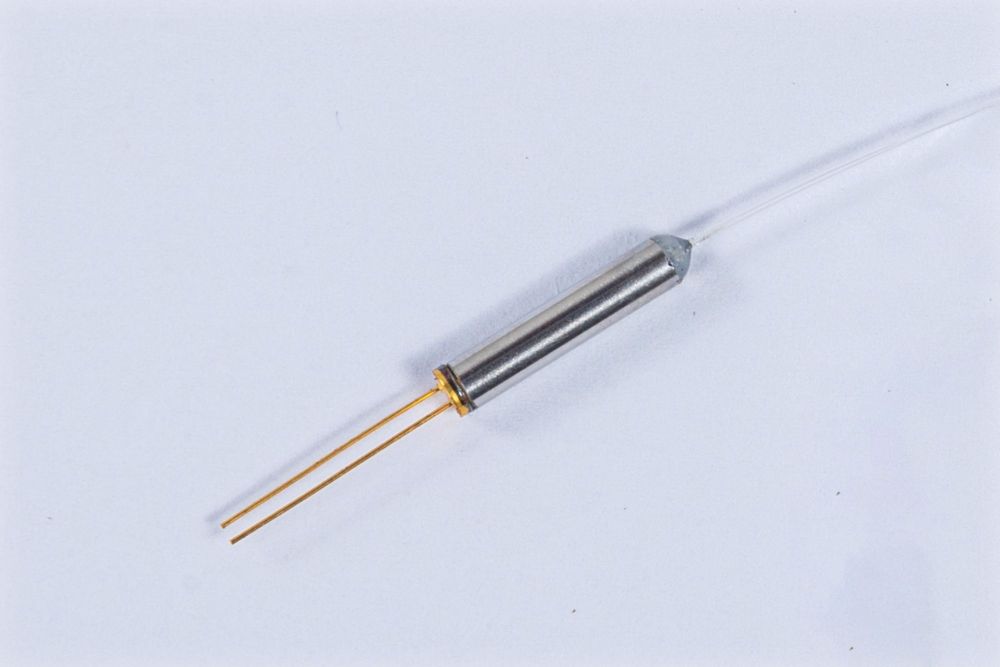
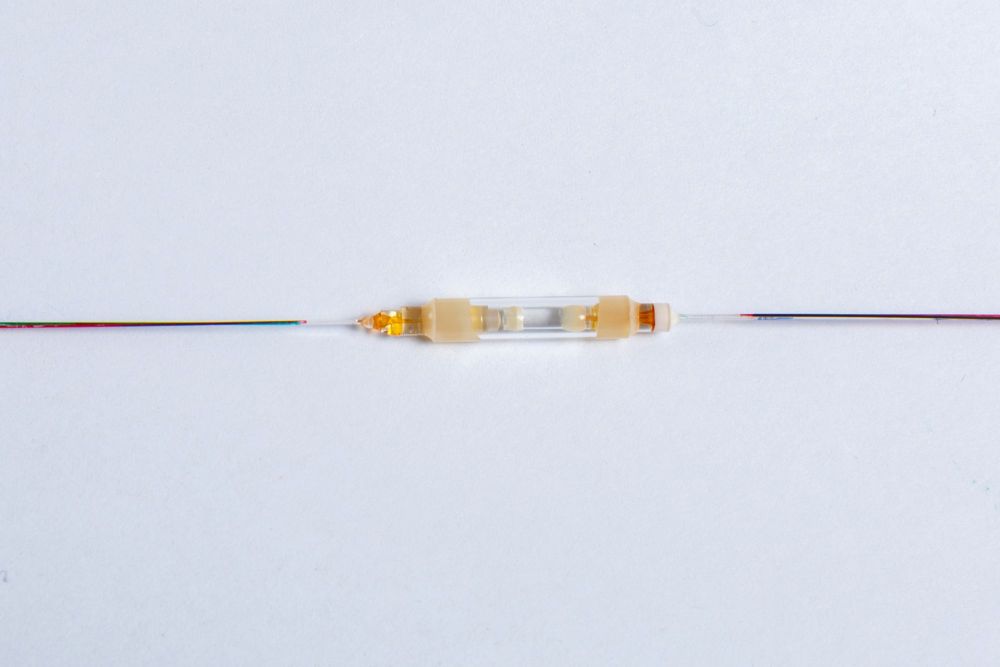
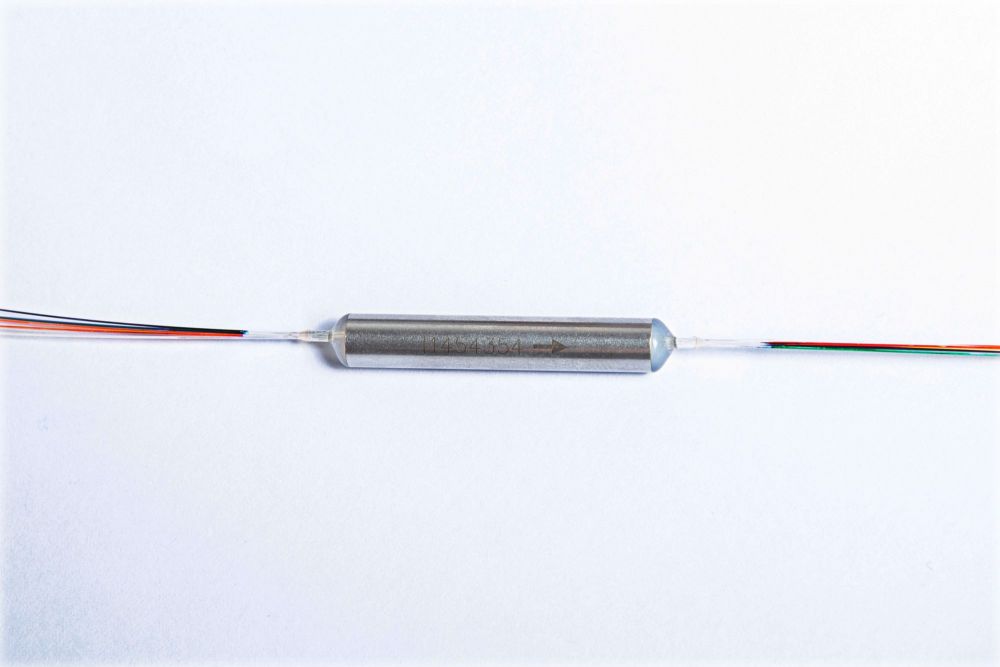
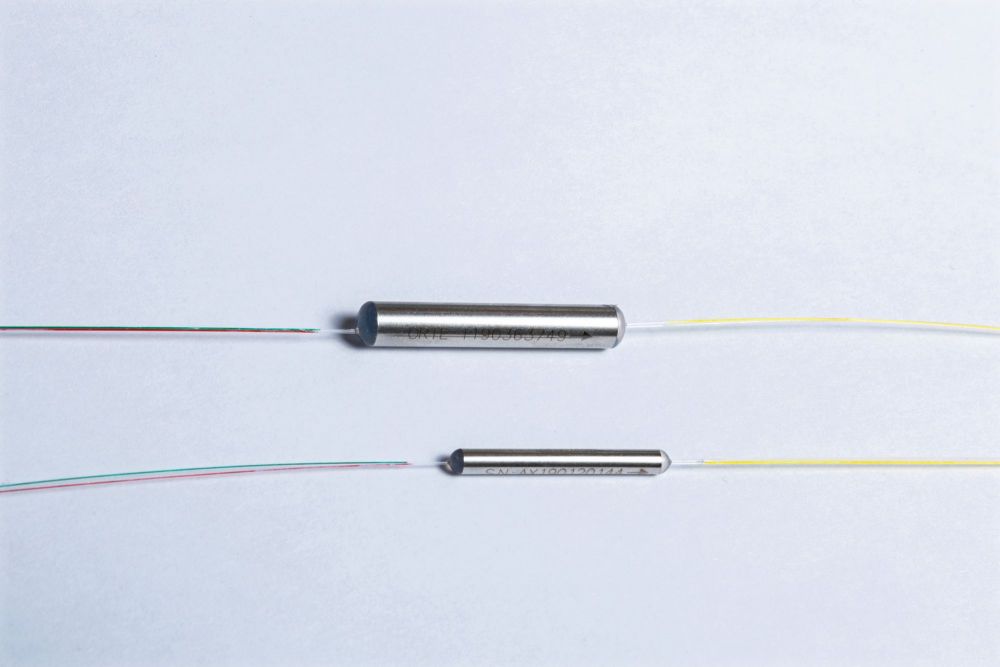
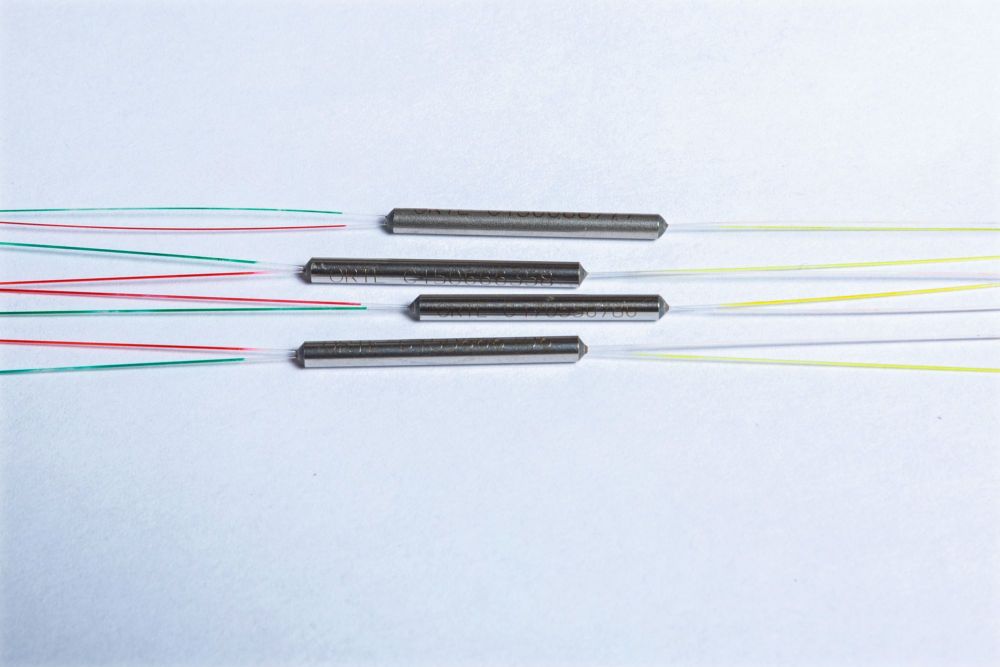
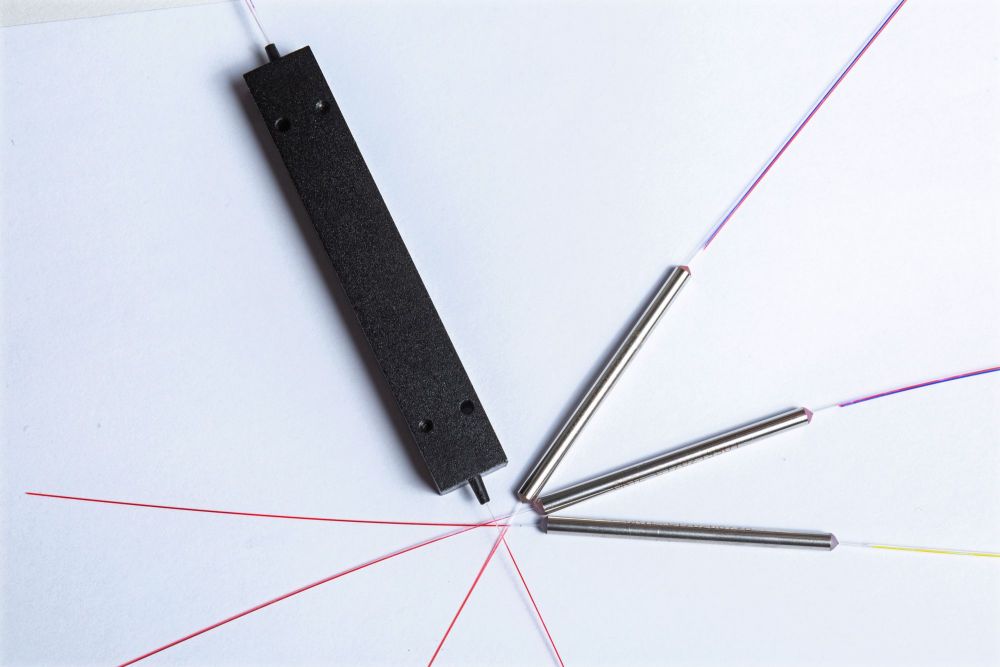
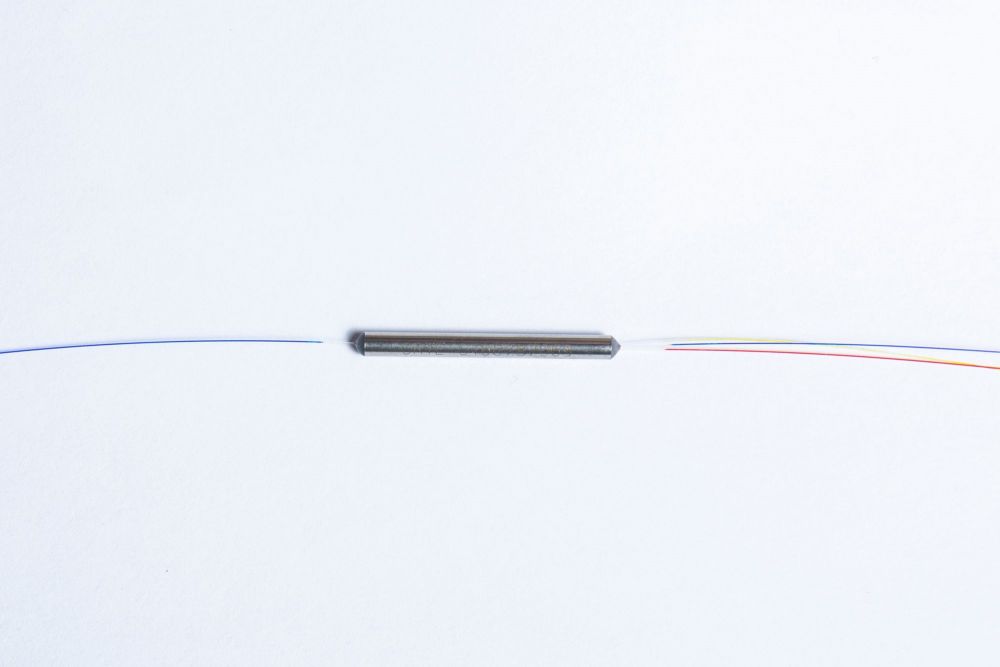
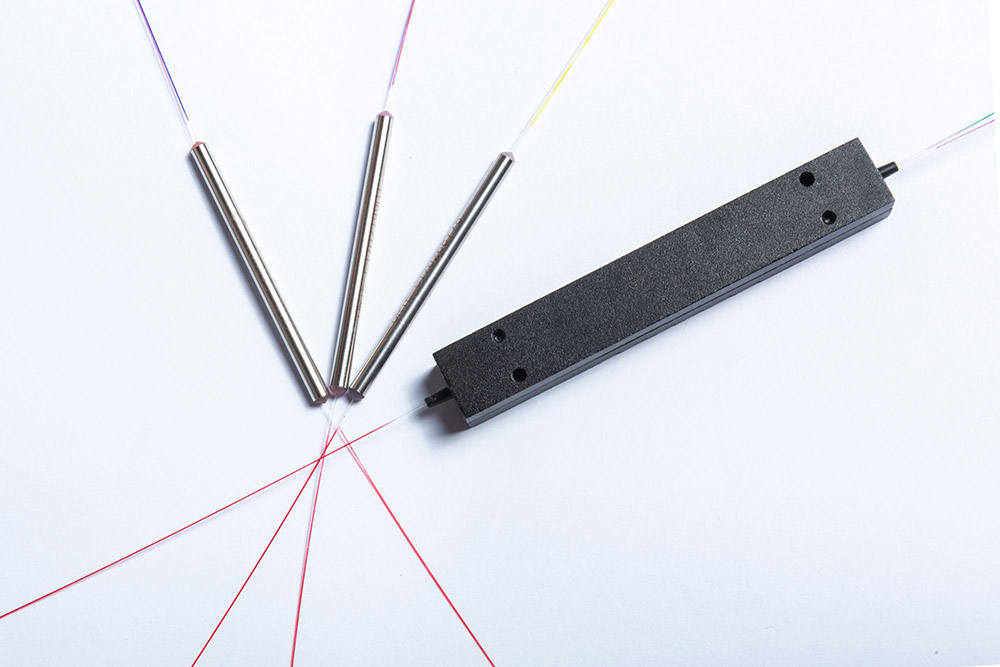
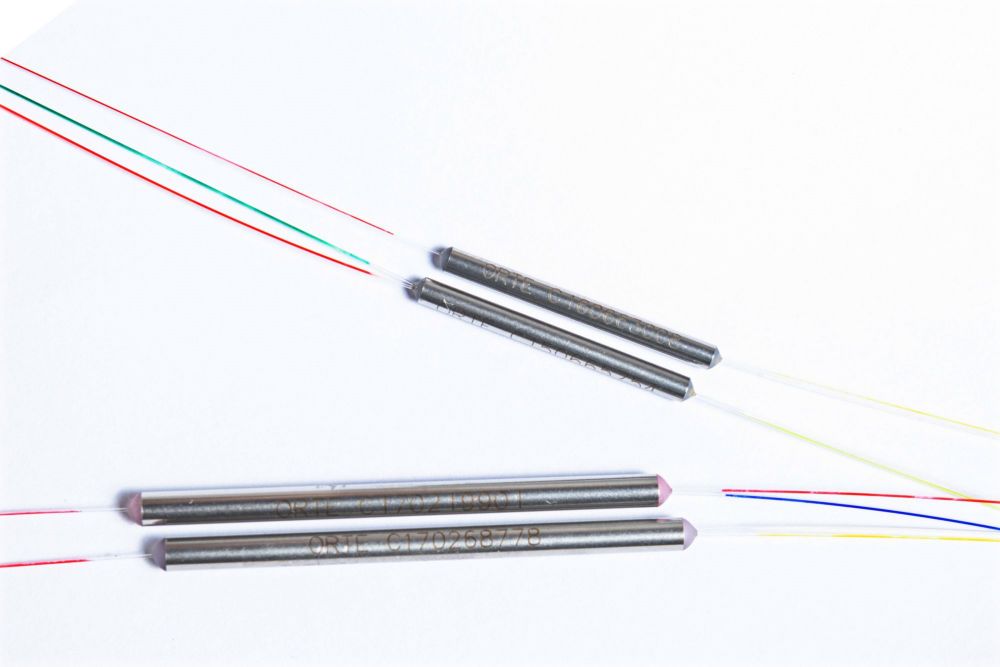
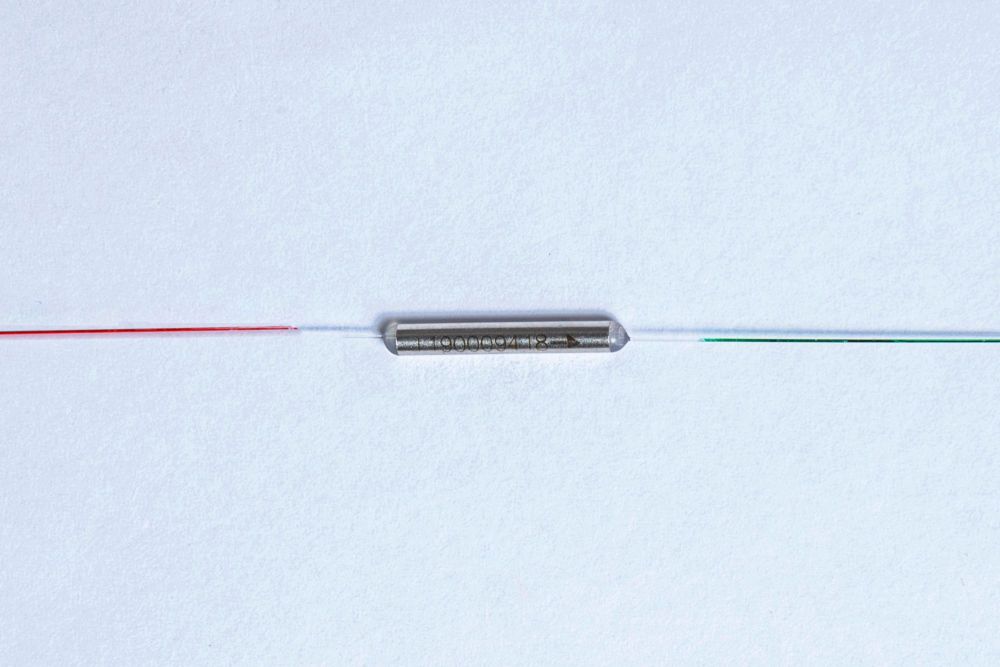
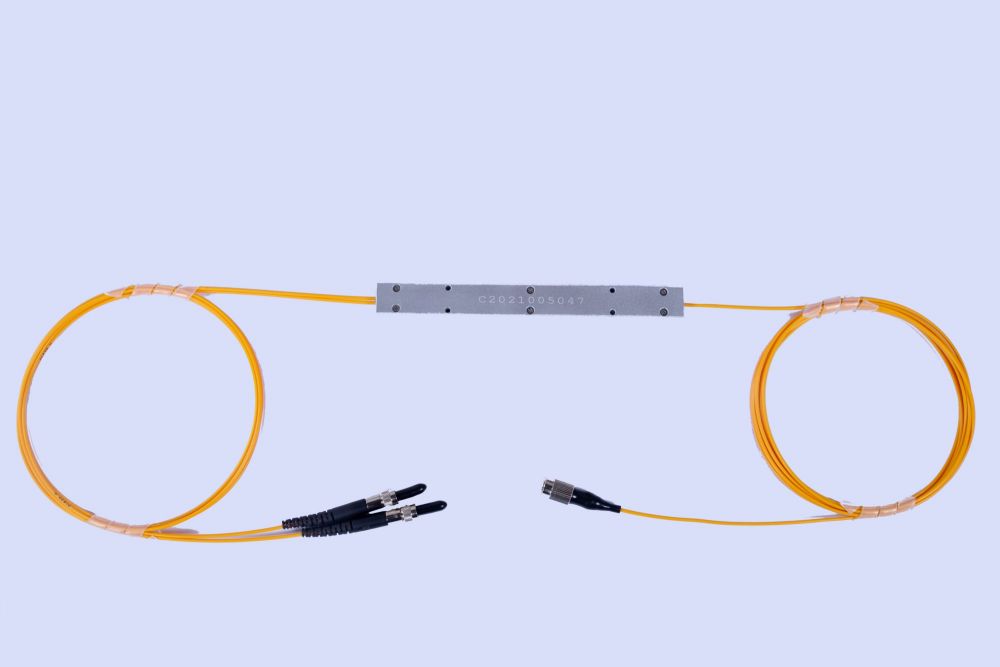
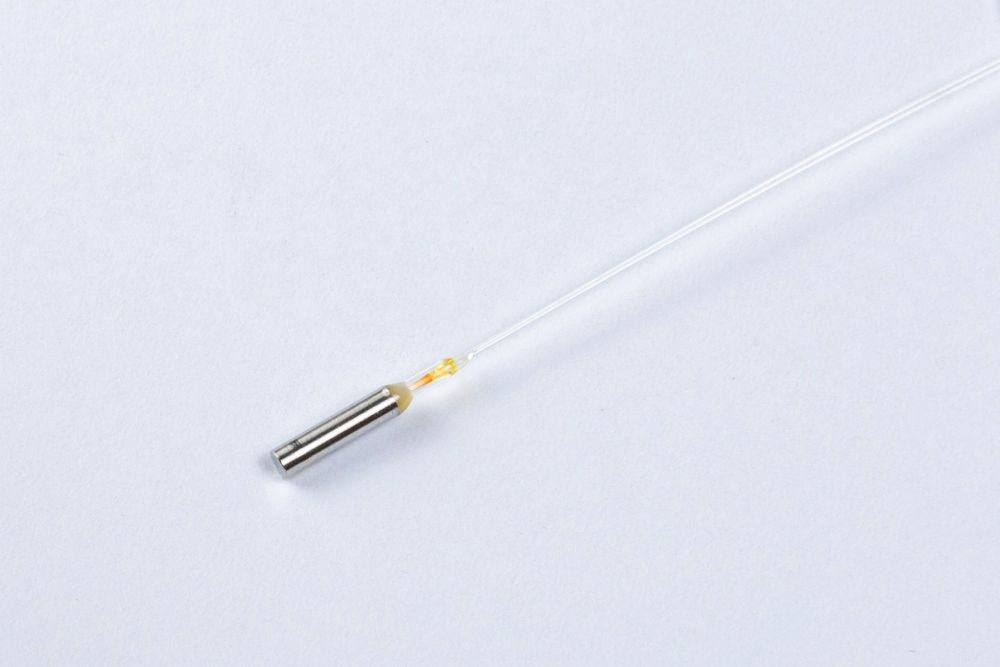
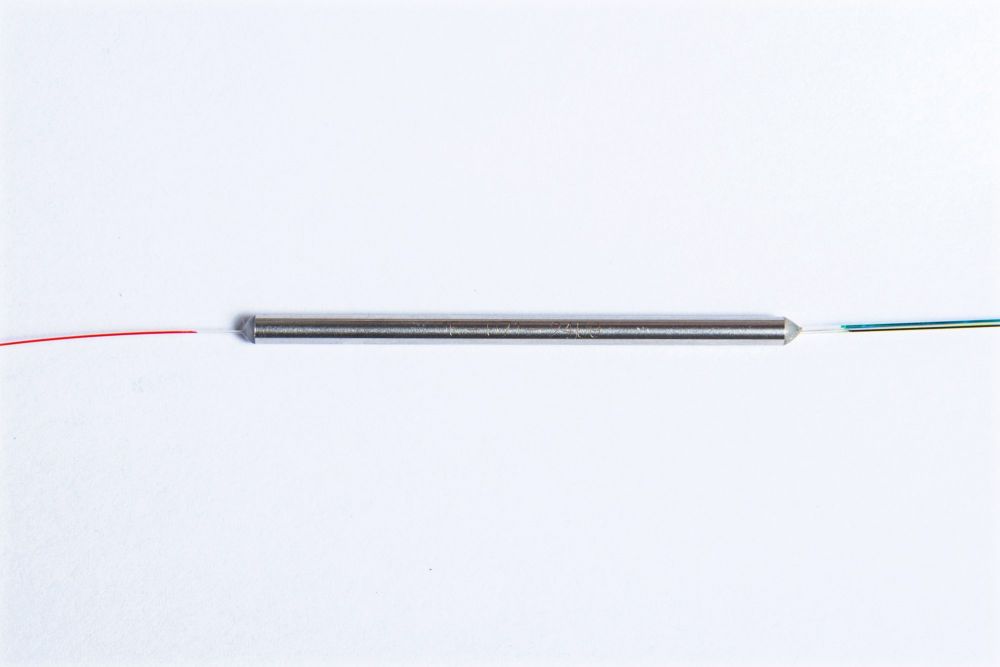
Fused Wavelength Division Multiplexers (WDM) are fundamental building blocks for these applications. Our 980/1310/1550nm series, based on proven Fused Biconical Taper (FBT) technology, offers low insertion loss, high isolation, and excellent thermal stability.
This article takes an in-depth look at the specifications, applications, and key advantages of our 980/1550nm and 1310/1550nm fused WDM components, helping engineers and procurement professionals make informed decisions.
2. What Is a Fused WDM?
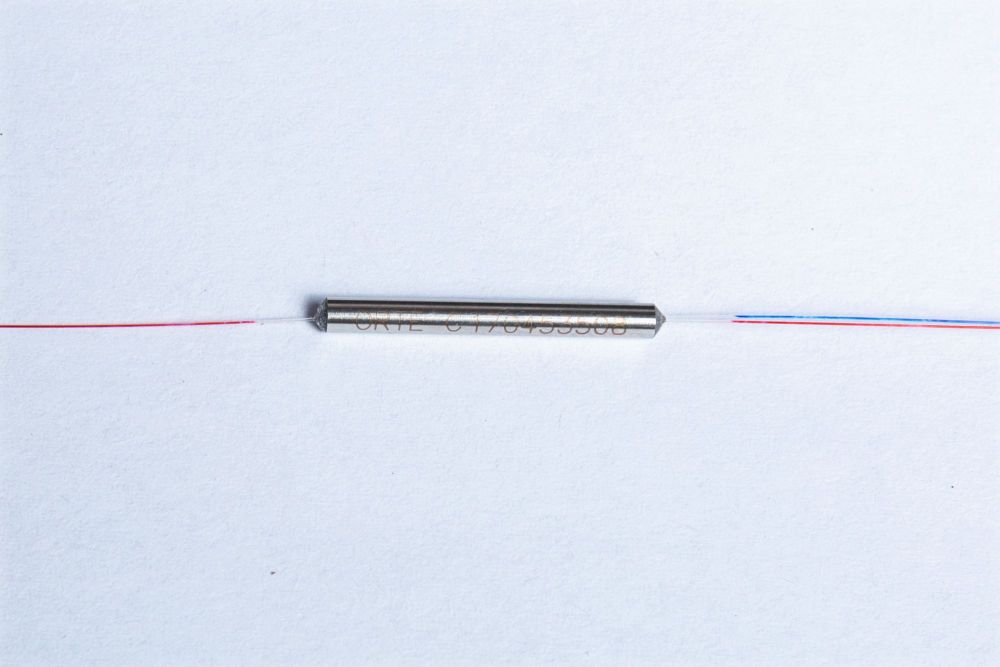
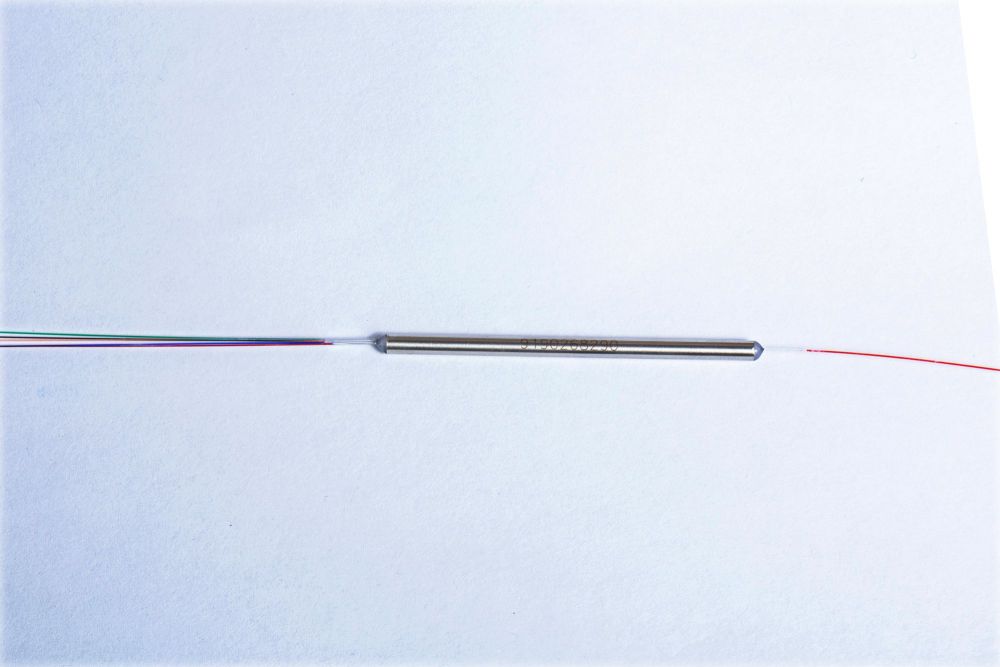
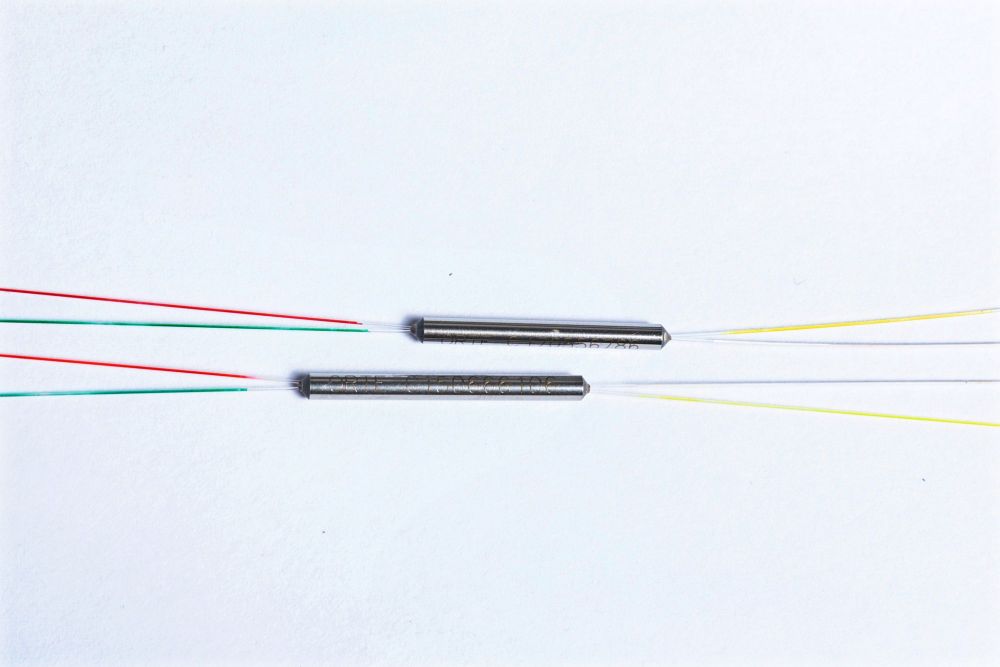
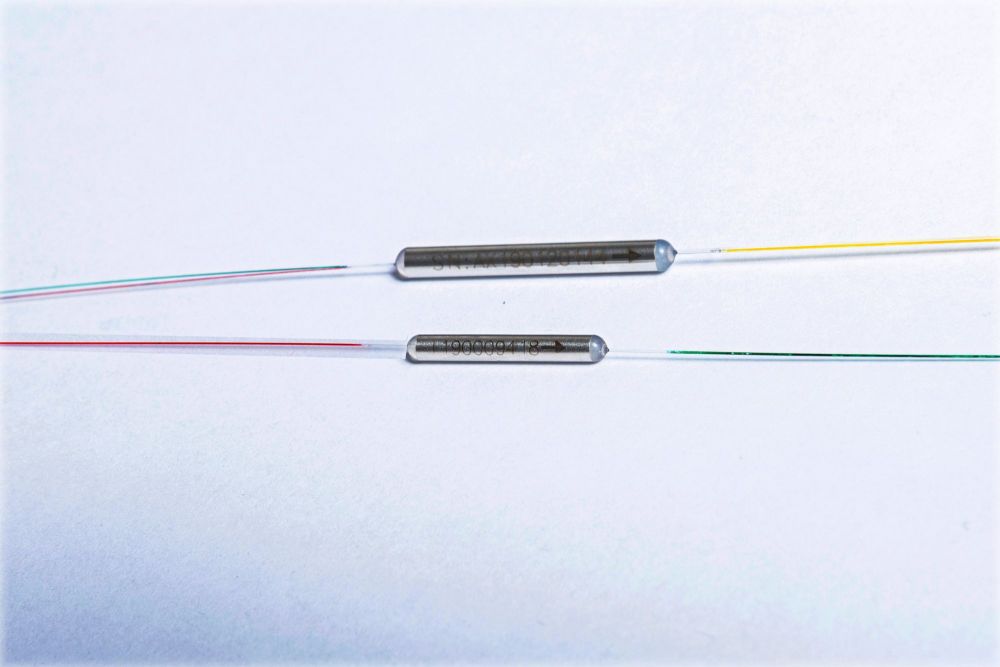
A fused Wavelength Division Multiplexer (WDM) is a passive optical component that combines or separates two different wavelength signals within a single optical fiber. Unlike Thin-Film Filters (TFF) or Arrayed Waveguide Gratings (AWG), a fused WDM is fabricated by heating and tapering two fibers together to form a coupling region. In this region, evanescent wave interaction enables wavelength-selective transmission.
Advantages of Fused WDM Technology:
l All-Fiber Structure: No free-space optics or epoxy inside the optical path
l Low Insertion Loss: Typically ≤0.2dB at the signal ports
l High Reliability: GR-1221 compliant, withstands thermal cycling and vibration
l Customizable Wavelengths: Flexible combinations beyond standard offerings
l Polarization-Insensitive Versions Available: Essential for coherent systems
3. Applications of 980/1550nm and 1310/1550nm fused fiber WDMs
Understanding the correct application of each wavelength configuration is essential for system design.
3.1 980/1550nm Fused Fiber WDMs– EDFA & Fiber Laser Applications
The 980/1550nm configuration is the industry standard for pump-signal combination in Erbium-Doped Fiber Amplifiers (EDFAs). The 980nm wavelength excites erbium ions, while the 1550nm signal is amplified.
Typical Applications:
l EDFA Modules: Coupling 980nm pump lasers with 1550nm signals into erbium-doped fiber
l Fiber Lasers: Pump coupling for 1.5μm laser systems
l Test Instruments: Benchtop amplifiers and optical characterization systems
l Research Laboratories: Building custom amplifier prototypes
Why choose 980nm?
Compared to 1480nm pumping, the 980nm pump band offers higher absorption efficiency and a lower noise figure, making it the preferred choice for low-noise amplifier applications.
3.2 1310/1550nm Fused Fiber WDMs – Communication & Sensing Applications
The 1310/1550nm configuration enables bidirectional communication over a single fiber—using one wavelength for each direction—effectively doubling the fiber capacity.
Typical Applications:
l WDM Transmission Systems: Combining 1310nm and 1550nm signals in the same fiber
l Fiber Optic Sensors: Dual-wavelength sensing for temperature and strain measurements
l CATV & Hybrid Systems: Overlaying video and data on existing fiber infrastructure
l Optical Monitoring Systems: 1550nm variants for network monitoring (customizable)
Why Need Two Wavelengths?
Both the 1310nm and 1550nm bands fall within the low-loss window of standard single-mode fiber (SMF-28e), making them ideal for long-haul and metro applications.
3.3 Extended Applications
Beyond the primary applications, our Fused WDM products also serve:
l Aerospace: Hermetically sealed packaging for space-grade reliability (mass production available)
l Underwater Communications: Corrosion-resistant housings suitable for marine environments
l Coherent Optical Monitoring: Low PDL versions for polarization-sensitive systems
l FTTx Networks: Cost-effective wavelength management at the subscriber side
4. Why Choose Our Fused WDM?
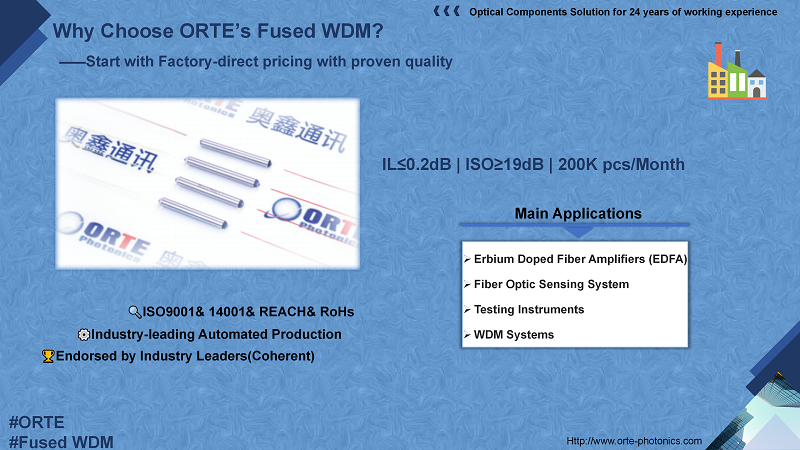
With over 20 years of experience (since 2002), we deliver fused WDM solutions trusted by customers worldwide.
1. Proven Process Control – Every production step is tightly monitored to ensure consistency
2. Consistent Quality – Batch-to-batch stability you can rely on
3. Stable Supply – Reliable delivery for long-term projects and ongoing production needs
5. Frequently Asked Questions (FAQ)
Q1: What is the difference between a fused WDM and a thin-film filter (TFF) WDM?
A fused WDM uses all-fiber tapered technology with no free-space optics, offering lower insertion loss, higher reliability, and lower cost for standard wavelength pairs. TFF WDMs provide higher isolation (>30dB) but come with higher insertion loss and cost. For most EDFA applications, fused WDM is the preferred choice.
Q2:Can I get your 980/1550nm fused fiber WDM with polarization-maintaining (PM) fiber?
Yes. We offer PM versions of our fused WDMs for polarization-sensitive applications such as fiber optic gyroscopes and coherent systems. Please specify when placing your order.
Q3: What is the maximum power handling capability of these WDMs?
The standard version can handle up to 2W of continuous wave (CW) power. For high-power fiber laser applications (up to 20W or pulsed operation), please contact us for custom high-power packaging.
Q4:Are your Fused WDM products RoHS and REACH compliant?
Yes. All of our fused WDM products are fully RoHS and REACH compliant. Compliance documentation is available upon request.
Q5: Can I request samples for testing before placing a bulk order?
Yes. We offer 1–2 pieces of samples for engineering evaluation. Please contact our sales